The right structure depends on corporate finance strategy, site quality and visibility over demand. Comparison should cover total cost, term and responsibilities.
Purchase: control the asset
The company finances and owns the plant. It retains savings and assumes performance, maintenance, insurance and equipment-renewal risks according to its contracts.
This model suits companies with available capital that want the plant within their asset strategy.
Lease: pay for use
A lease establishes a periodic payment for use of the installation. Term, services, warranties, indexation, insurance and end-of-contract conditions require clear drafting.
Budget visibility depends on an explicit technical scope and allocation of responsibilities.
PPA: pay for generated energy
Under an on-site PPA, the buyer pays for delivered solar electricity using an agreed formula. France’s CRE defines a PPA as a contract between producer and buyer over a set period outside public support.
Demand profile, term, payment security, site rights and exit scenarios shape bankability.
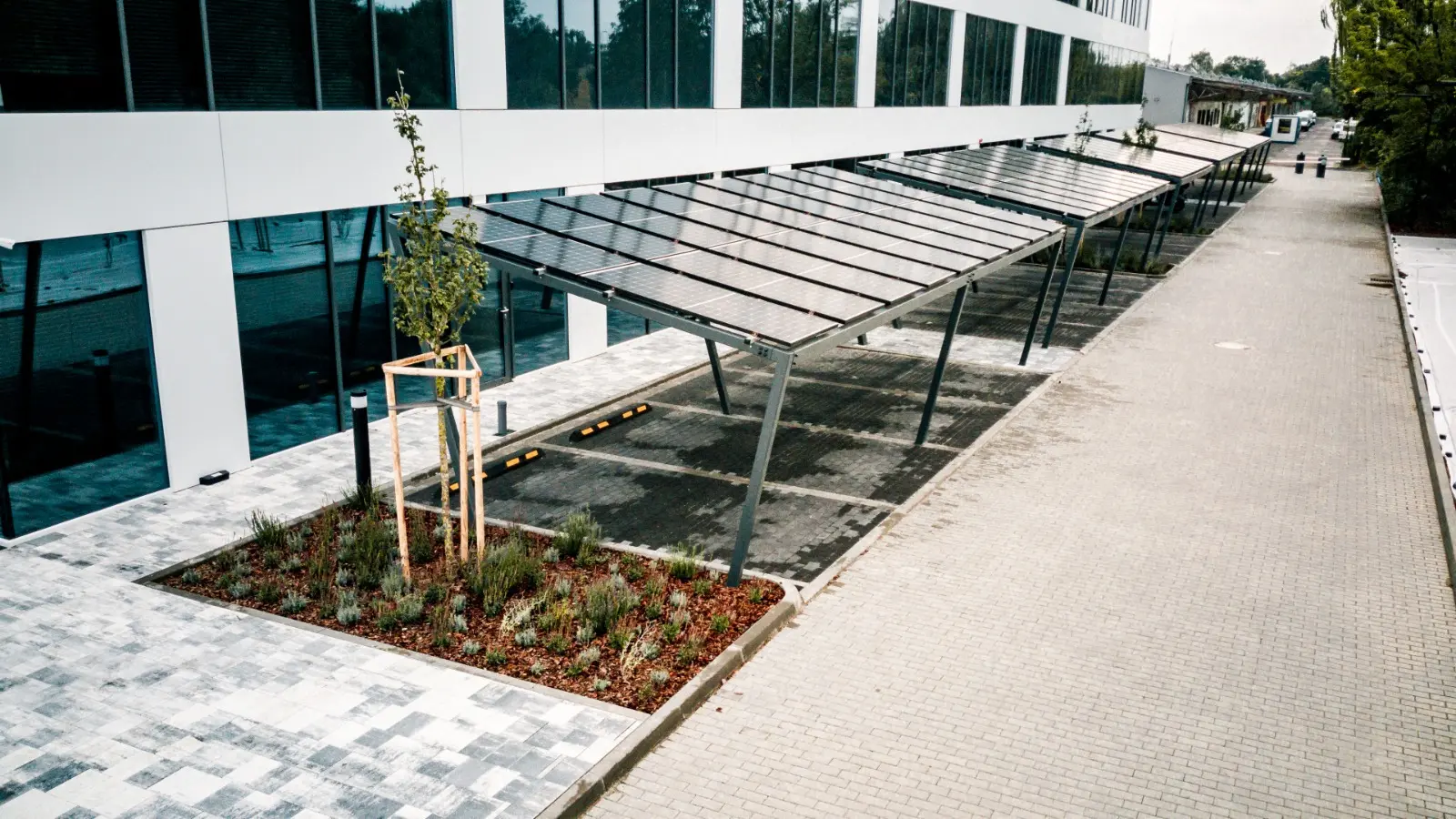
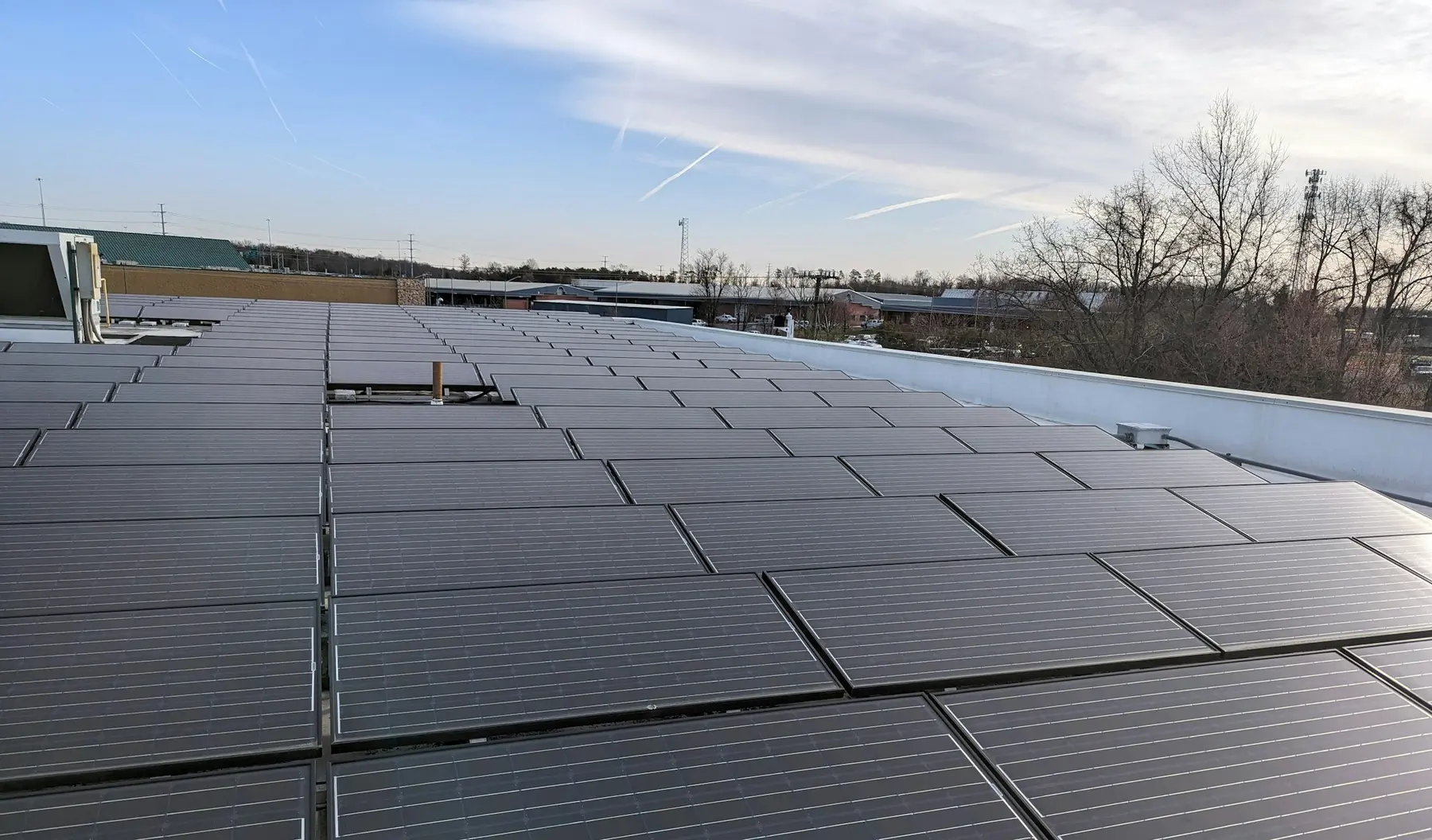
Informational content prepared by Lionberry Energy. Project sizing, pricing, performance and contractual structure are confirmed only after site assessment and approval by the parties.