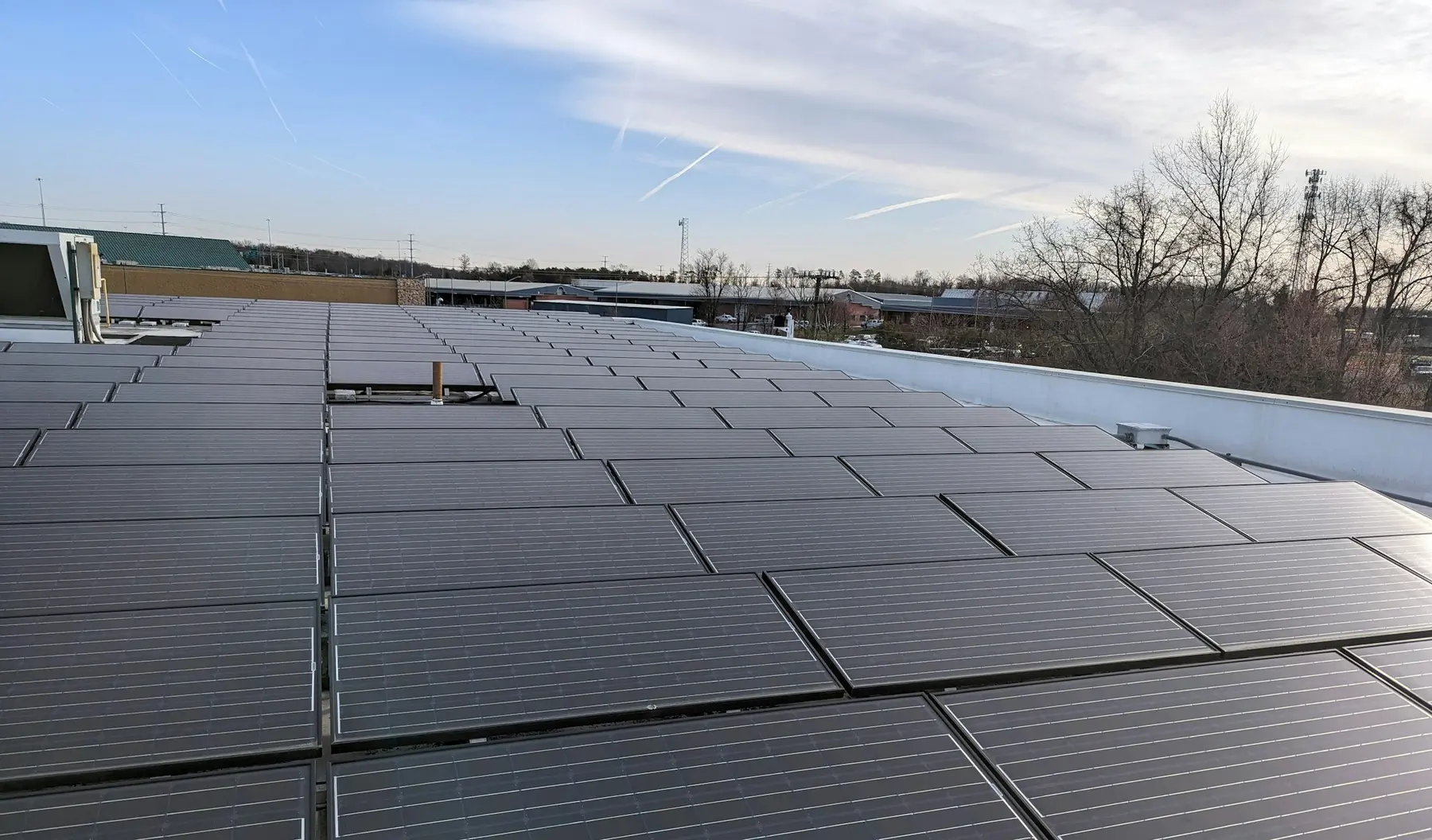
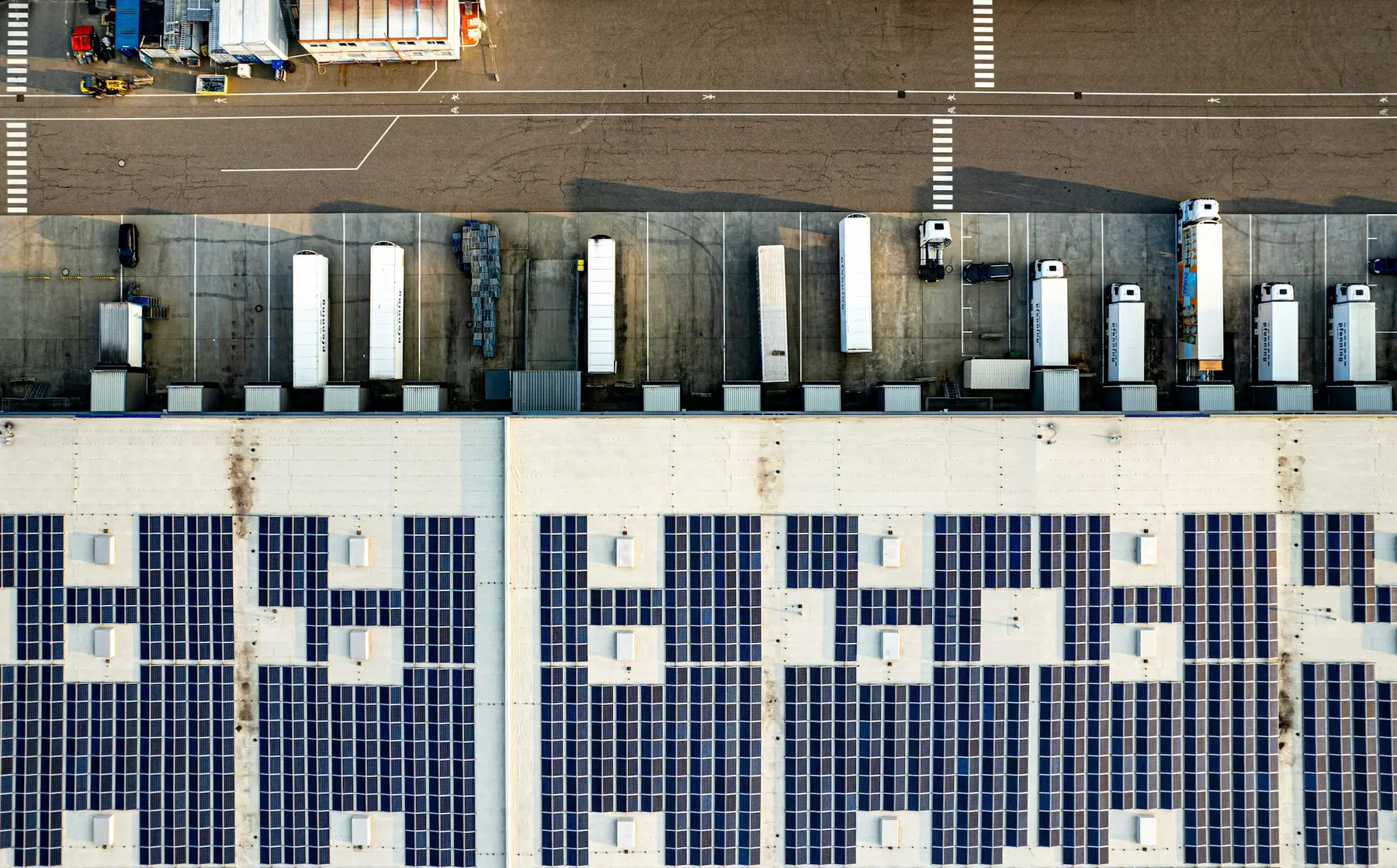
Szenarien mit einheitlichen Annahmen vergleichen und ihre Auswirkungen auf Kosten und Cashflow verstehen.
Define what would happen without the project
The baseline describes consumption, equipment and expenditure without the investment. It should include replacements already planned and known changes in business activity. A building whose use is changing cannot be assessed solely through historical energy bills.
We propose documenting available data and its quality. Estimates are distinguished from measurements. The energy prices, volumes and schedules used are made visible so that management can understand what drives the presented result and identify information that needs further validation.
Compare the cash flows borne by the client
The calculation compares avoided energy purchases and potential revenues with the expenditure introduced by the project. Costs may include investment, financing, operation, maintenance, insurance, equipment replacement and grid connection. Their allocation depends on the contractual structure.
With direct investment, the client considers the initial outlay and future cash flows. In a financed arrangement, the client assesses rent or contractual payments, indexation and duration commitments. Options are compared over a common period, specifying who owns the assets and what happens to them at the end of the agreement.
Test assumptions that could change the decision
A central estimate benefits from alternative scenarios. What happens if self-consumption decreases, energy prices change or commissioning is delayed? How would a higher grid connection cost or an earlier equipment replacement affect the outcome? These questions should be linked to the project’s actual uncertainties.
EVRA proposes selecting the sensitivities most relevant to the site. This helps identify available headroom and the minimum conditions for accepting the project. Estimated savings and payback periods must remain connected to their assumptions; a standard result cannot apply to every building.
Plan how value will be monitored
Before construction, define meters, accessible data and the review frequency. Solar generation, self-consumed energy, business activity and observed expenditure should be compared while distinguishing their respective effects. Changes in occupancy or operating hours need to remain visible in that comparison.
The dashboard can also track operational objectives, such as availability, interventions or charging service. EVRA connects these indicators with the agreed commitments and original scenario. This provides a basis for monitoring the installation, explaining differences and deciding on useful adjustments during operation.
Informationsinhalt von Lionberry Energy. Dimensionierung, Preis, Leistung und Vertragsstruktur werden erst nach Standortprüfung und Zustimmung der Parteien bestätigt.