
Warmwasser, Raumwärme und Strom erfordern unterschiedliche Technologien. Der Vergleich der Anwendungen zeigt die passende Kombination für den Standort.
Understand what each technology provides
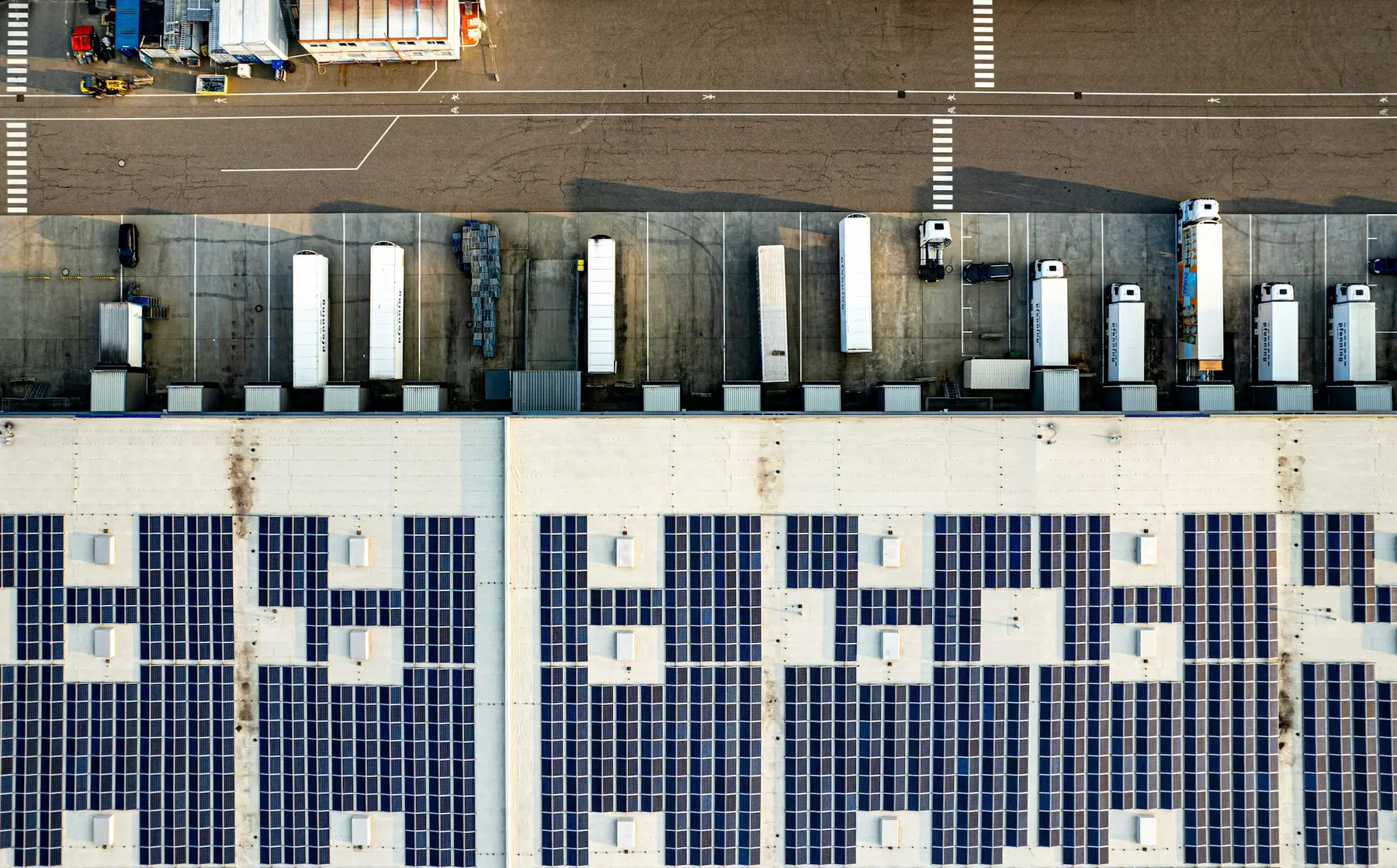
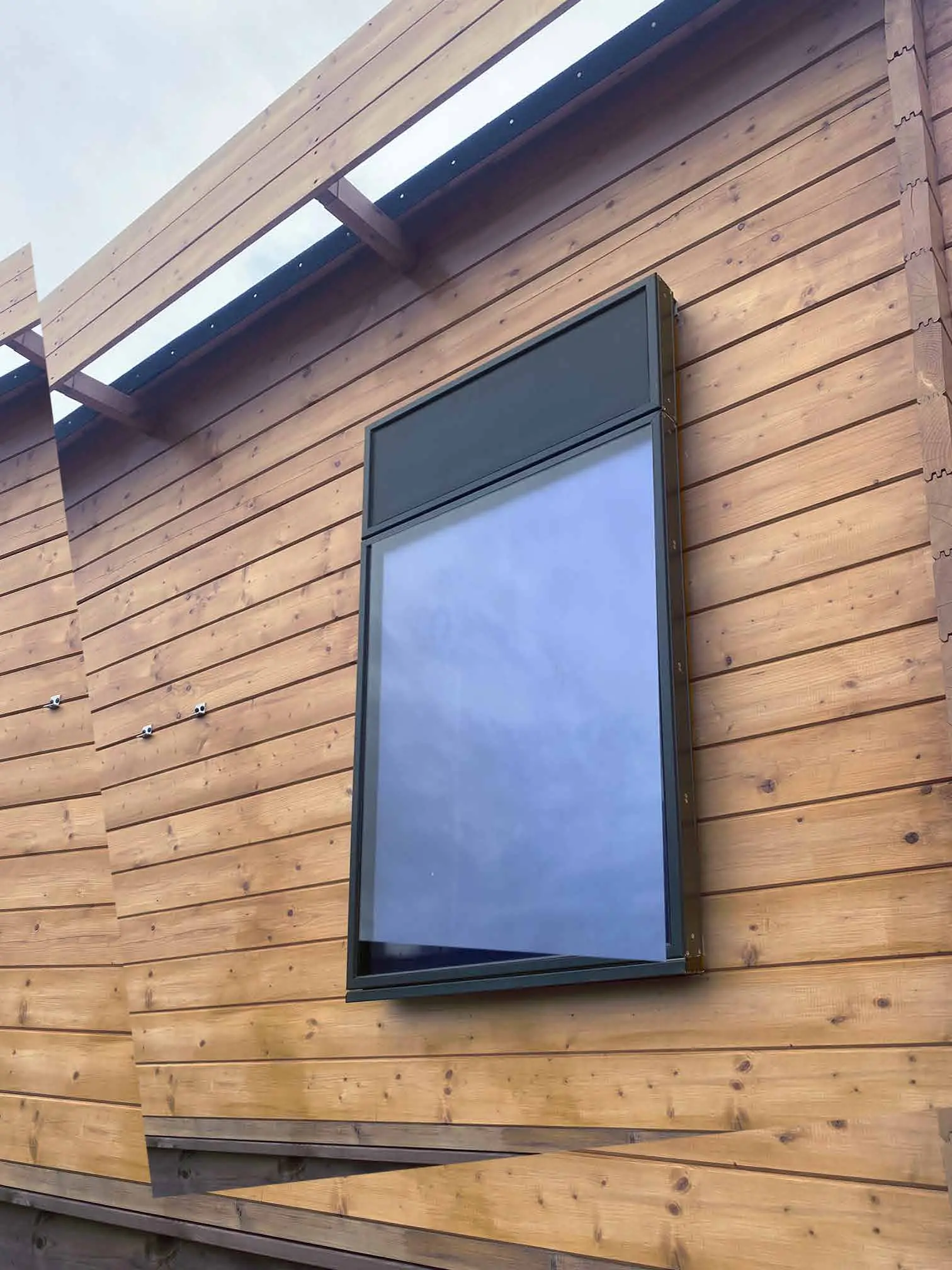
Solar thermal technology converts solar radiation into heat, including for water heating. Photovoltaic panels generate electricity. A heat pump uses electricity to transfer heat from a source to an end use.
These functions can be combined within one project. EVRA proposes starting with a demand brief that separates hot water, space heating, any cooling requirements and other electrical consumption. Each use retains its own service requirements and operational priorities.
Compare scenarios suited to the building
For a hotel, the initial discussion may cover hot-water schedules, occupancy and existing equipment. For an industrial site, it establishes process temperatures, production constraints and opportunities to stop equipment during installation work.
We propose comparing relevant solutions over the same scope: equipment, connections, adaptations, commissioning, maintenance and purchased energy. Assumptions should remain visible so the client can understand what drives the result and which uncertainties require further investigation.
Examine timing and continuity of service
Combining solar PV with a heat pump requires examining generation and demand at the same times. An annual energy balance does not describe the hours when the building purchases electricity. System sizing should therefore state the expected behaviour during less favourable periods.
Our proposed study considers control options, possible storage requirements and continuity arrangements. It records the trade-offs between investment, operating complexity and flexibility, using scenarios developed for the site. The operating team reviews proposed controls before the final design is agreed.
Turn the study into an investment decision
EVRA proposes a decision pack covering the recommended architecture, alternatives considered, technical interfaces and each contractor’s scope. A monitoring plan identifies the measurements needed to verify the delivered service after commissioning.
Suppliers and installers are assessed through their technical documentation, relevant competence, insurance and ability to support the installation. Share utility bills, equipment information and your project with EVRA to scope a comparative study in France or Romania. Financing options are considered against the selected project scope and the responsibilities agreed with the client.
Informationsinhalt von Lionberry Energy. Dimensionierung, Preis, Leistung und Vertragsstruktur werden erst nach Standortprüfung und Zustimmung der Parteien bestätigt.